First of all, yes, I intentionally spelled the word wrong. Why? Because irreparable (and the way it is pronounced) just doesn’t convey the sense I wanted in this story. If you read this story, you’ll find that explanation towards the end.
So, what did I want to convey. Well, of course, none of it was intentional. At least not initially. But here is where the story started.
When I first started writing, I was addicted to a website called Toasted Cheese. It was an excellent place for a brand new writer. Lots of forums for questions and advice, and a quarterly on-line journal that published literary short stories and poems. I even managed to get a couple of short stories published in the journal. One of them — The Ice Cream Man — was the first short story I wrote.
One of the features back then was a weekly Friday prompt inviting responses to five questions. Frequently, one of the questions would be something like “Five things that happened this week,” or “Three things you’re looking forward to.”
In response to one of those, one of the other writers, an older gentlemen whose first name was Bob, wrote about sitting on the porch of his home on Mobile Bay watching great herons feed in the shallows. There was something about the way he wrote the description that struck me and I decided I wanted to use that image to write a story.
At the same time as I was toying with this story idea, I was in a training program for a half marathon. One of the first training runs, I ran with a guy who I call writing friend Geoff. As we ran, we shared that we both wrote. He was mostly a poet who had turned to fiction. I was still a relatively new writer of fiction. Over time, he shared some of his pieces with me and I could see how poetry influenced the rhythm and flow of his fiction. And I wanted to be able to do that.
As with everything else I write, I just had an idea and I started writing. To try to create a poetic flow, I wrote a poem that started the story. I thought that I would write a poem to lead off each chapter or part (I generally refer to the sections in this novella as parts instead of chapters since they are longer than traditional chapters). I managed to write a poem for the second and third parts, but came up dry after that. So, I just stuck with the poem that started the story:
In the setting
It leaves
Wisps and trails
Purple and orange
A breeze blowing
Leaves rustle
And whisper
Day to night
In the falling
Of color
Reds, golds, browns
To the Ground
Slumber arrives
With the dark
Stirs again
In the early light
When I visualized writer Bob sitting on his porch, I imagine him as an older man living alone and happy with that arrangement. Content with the peace and solitude and with the great herons that visited him in the shallows each day. In writing the story, I wanted to produce something that explained why Henry Thornton wanted that — peace and solitude. But in my story, it wasn’t a great heron. No, it was an egret named Bob that visited Henry regularly. I give to you … Bob the egret.
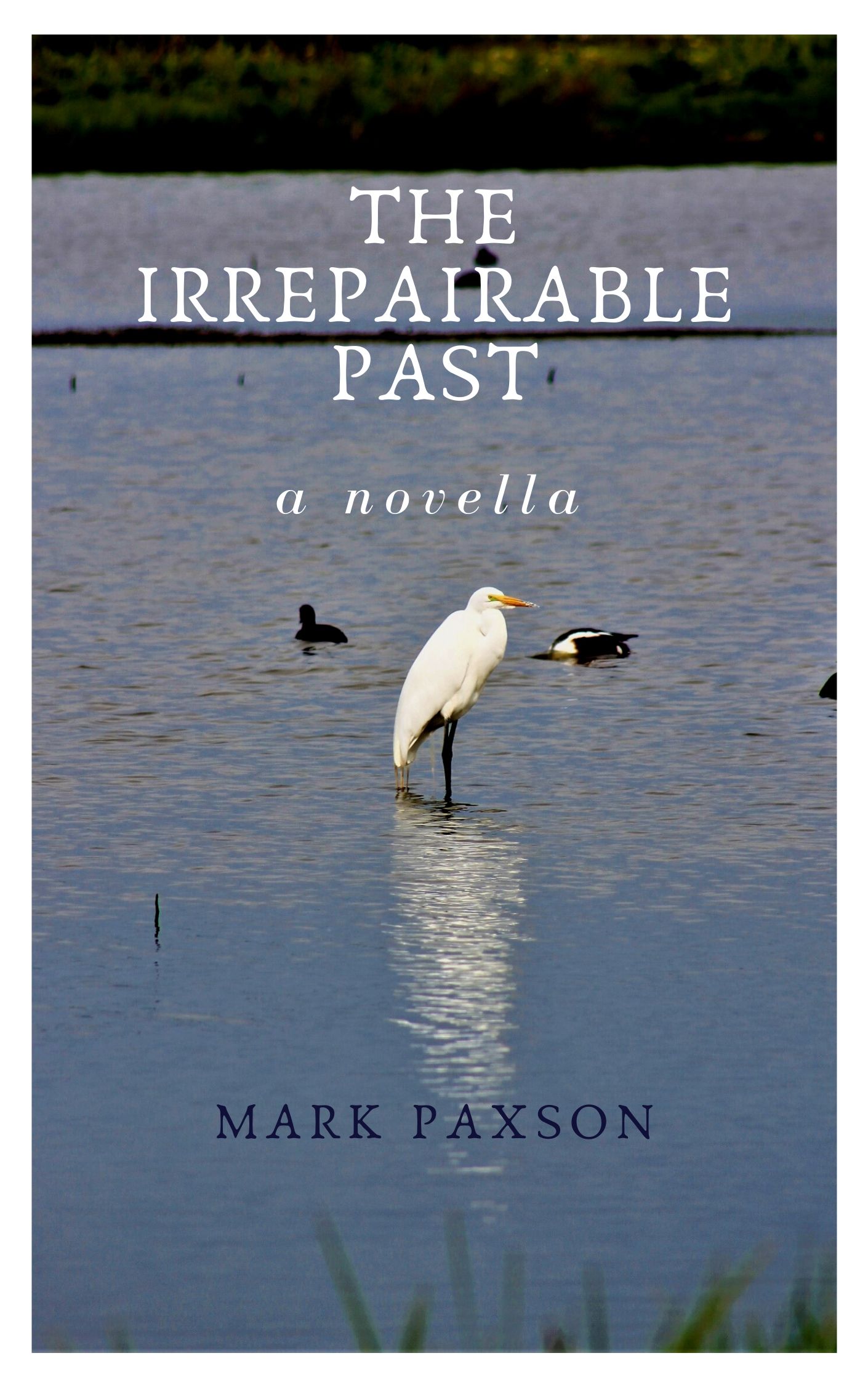
As with most stories I write, the first few chapters that cover Henry’s childhood, his first love, and his departure for the Vietnam War, came easy. It was when I got to the chapter that dealt with his return and ultimate marriage to somebody other than his first love where I got bogged down. It took me quite a while to work my way through that chapter. And I still needed to figure out how I was going to end the thing. I knew what the ending was going to be in general, but I needed to decide whether to leave the reader with a happy ending or just continue on with the sadness and despair that had led Henry to his loneliness-filled life.
Eventually I worked all of that out. This is probably one of my favorite stories that I’ve written. Part of it is the poetic influence that I think really worked for the first three parts of the story, and likely the last one as well. I think that rhythm and flow broke down a bit in the parts I struggled with the most, but all in all, I think I got it write.
When I described this book on FB, friends said they would never read it because it sounded too depressing. A family member read it and basically said the same thing. He felt that there was no joy in the book until the end and he needed some sprinkled in along the way. But I disagree with that — there is joy for Henry when he is with his first love. There is joy in his first tender approaches to playing baseball. There is joy in his young life when he gets to run free in the area around his home on the shores of Sullivan bay. There is a lot of joy if you want to find it.
So, what was the objective? What was the point in calling it The IRREPAIRABLE Past, instead irreparable? I guess the objective was to write a story about a man who had suffered losses, many of them self-inflicted, many of them the result of miscommunication or lack of communication, and how all of that could lead to a person wanting nothing more than to be alone, licking his wounds and doing what he can to escape the memories. Henry Thornton thought his past could not be repaired, and so he sat on his porch and watched Bob the egret and wanted nothing more than that.
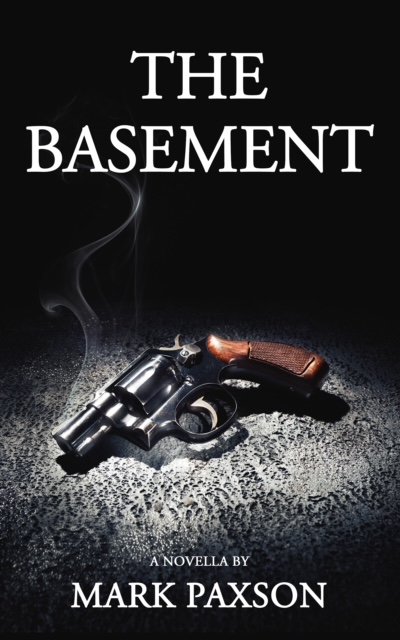
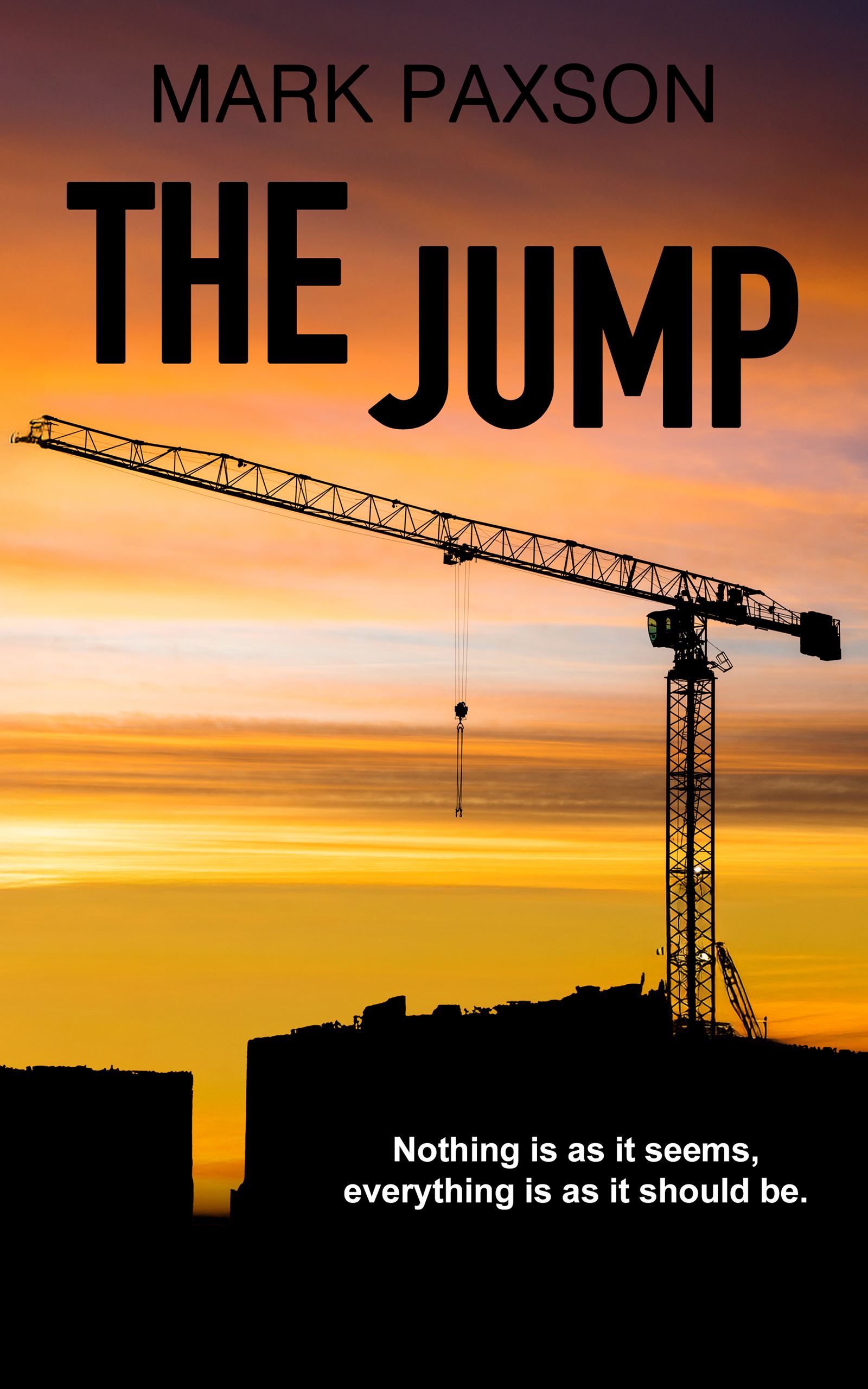
This book, the first in what has become three successive novellas that I’ve written and published, generated the absolute best book review that I will likely ever receive. Trent Lewin, who I met through our respective blogs, writes truly remarkable speculative fiction. The kind of stuff I simply cannot figure out how to write. He read The Irrepairable Past and then wrote a review for his blog. Honestly, whenever I read this review (and no, I don’t do that often) I get the chills. It describes what I think every writer wants — to have an impact on a reader that is as deep and profound as what Trent describes.
Where can you find The Irrepairable Past. Well, as a stand-alone novel it is only available on Amazon. If you want it in another format or to not have to go through Amazon, it is available in a collection I published a few years ago — A Little Bit of This, which is available pretty much everywhere like my other recently published books. I’ll skip the links for that for now and will include them when I post The Story Behind The Irrepairable Past


 Novels, Short Stories, and More